 NIDEX MARK-5 NUVO M5C5 Oxygen Concentrator

Disassemble Procedure -
DISASSEMBLYBase Assembly

Click on the pictures to Zoom.


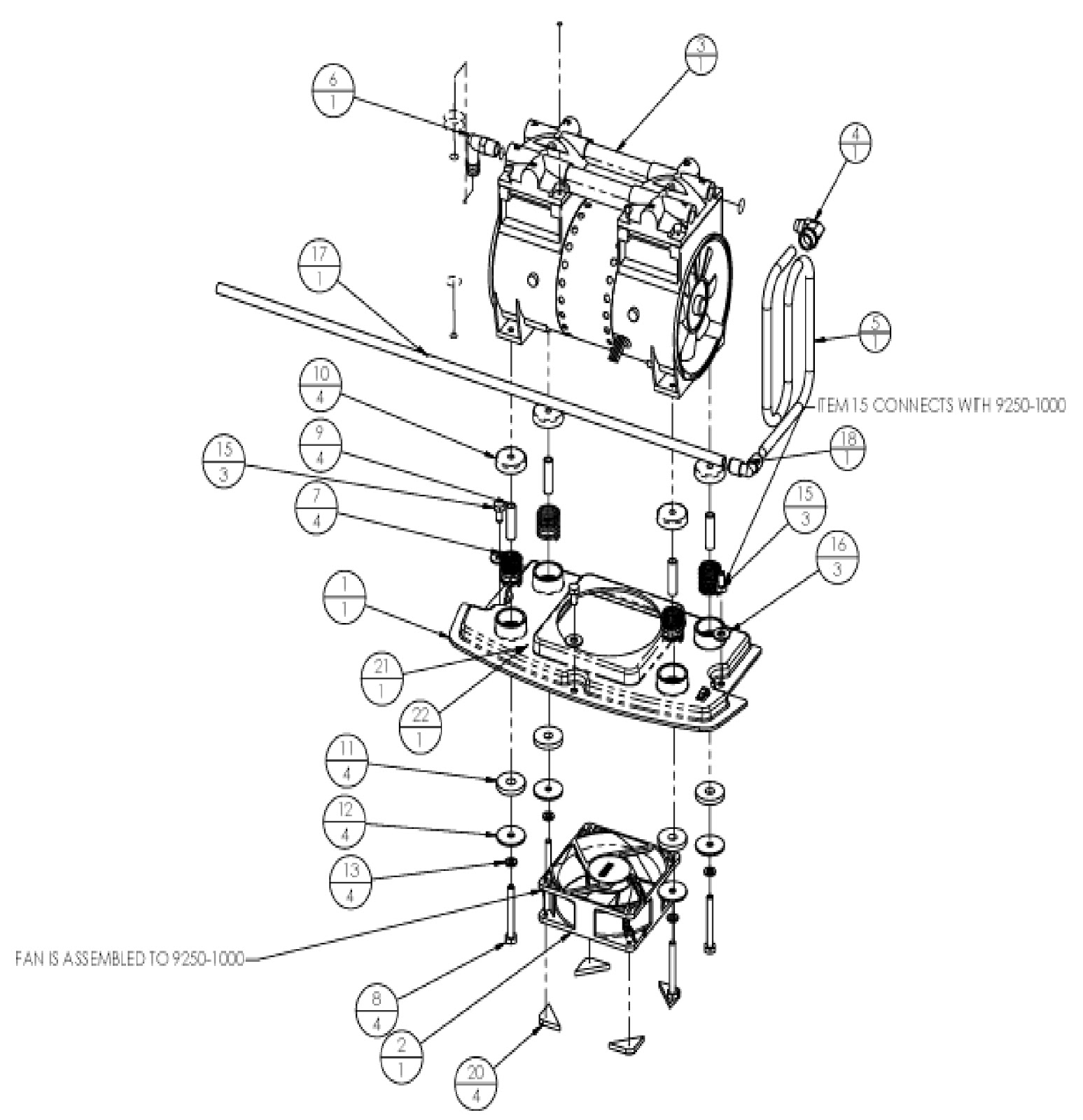

NIDEK NUVO M5C5 - DISASSEMBLY PROCEDURE -


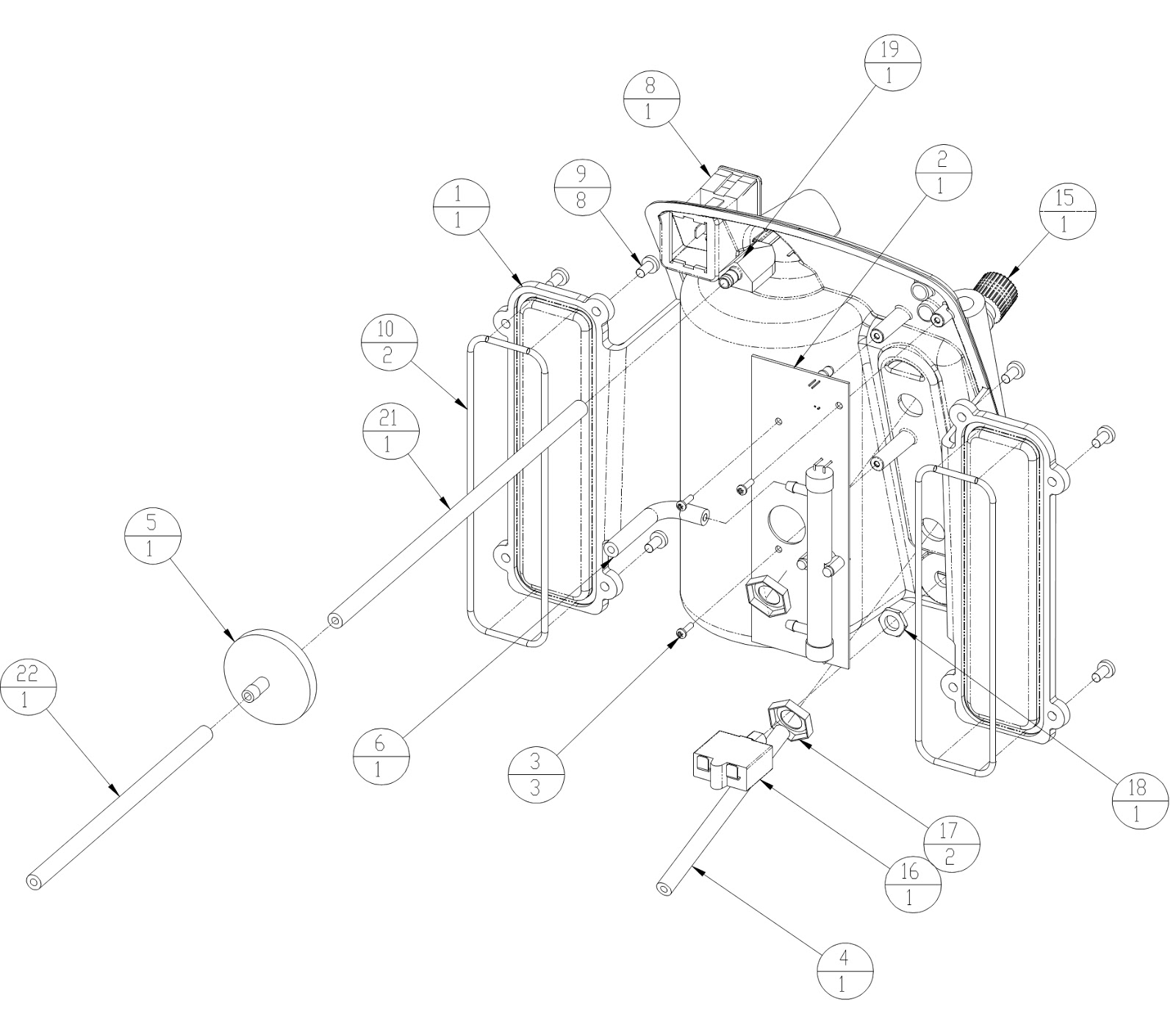
Click on the pictures to Zoom.

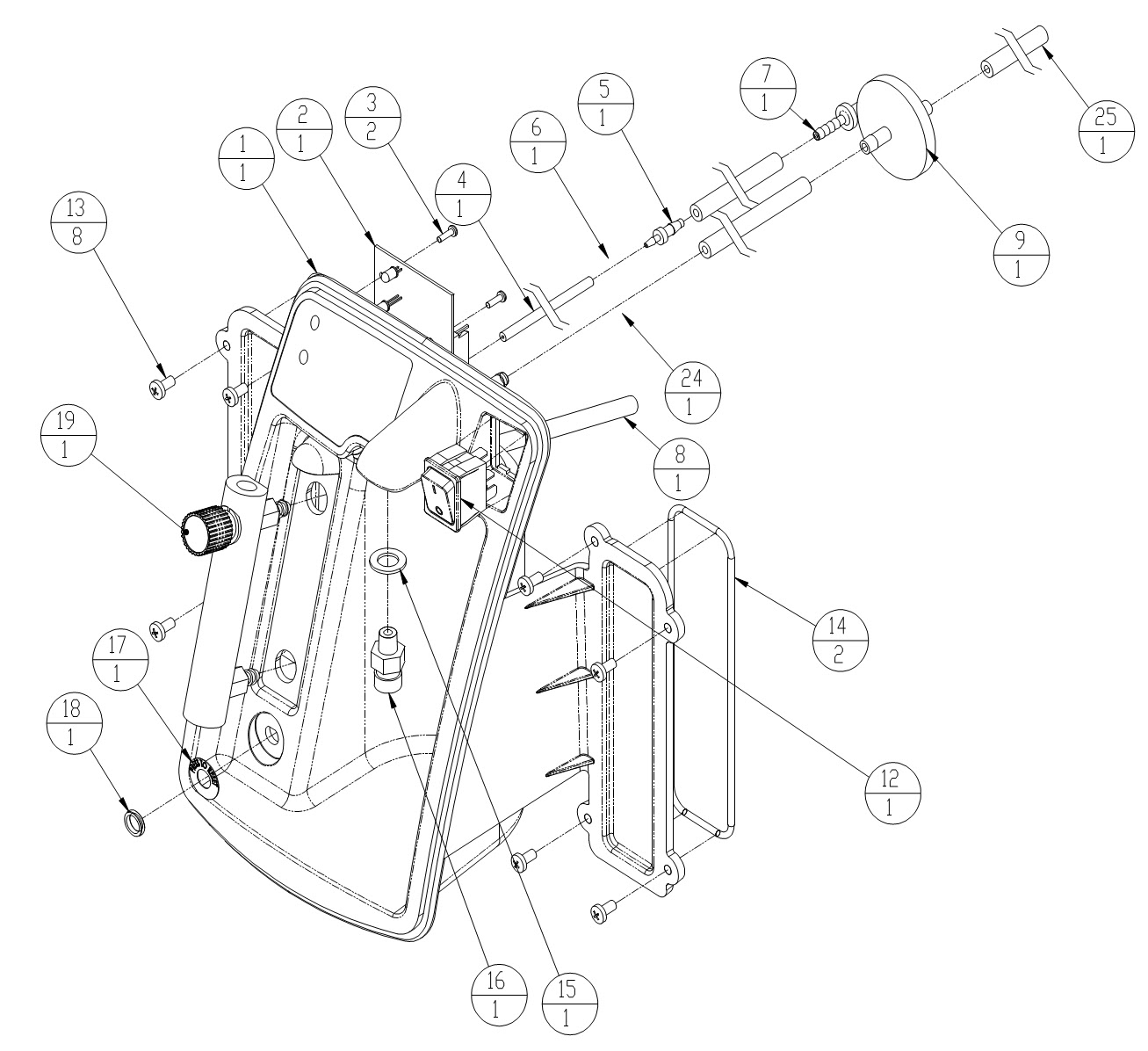


MARK-5 NUVO-NIDEK M5C5 – Oxygen Concentrator - Disassembly Procedure - Medical Equipment


Click on the pictures to Zoom.


Removing Cabinet Back
To remove the cabinet back, remove two screws near the base
(one on each side) and two inset screws at the top just under the handle.
Removing Cabinet Front
To remove the cabinet front, remove two screws near the base
(one on each side) adjacent to the rear cabinet screws and two inset screws at
the top just under the handle. It is necessary to remove the cabinet back to
access the top screws.
Removing Control Panel
Eight screws hold the control panel in place; the front
cover must be removed to access these screws. It is necessary to remove the
electrical wiring and pneumatic tubing to fully release the control panel.
Main Structure
The weight and forces of the internal components rest solely
on four parts: the main structure, the compressor plate, the base-plate and the
base. These parts were specially designed and formed. They should never require
replacement under normal use.
Caster Replacement
The casters are a push in type that does not require any
fastener. Lay the device on its back to access the casters from the bottom.
Pull them straight out away from the bottom.
Compressor
The compressor is the pump within the oxygen concentrator
that supplies air to the separation process performed by the sieve beds. The
pressure generated by the compressor forces oxygen to flow out of the top of
the sieve columns. The compressor is
the likely cause of two potential specific problems:
- An insufficient amount of air is supplied to the process, and
- An excessive sound level.
Compressor output refers to how much compressed air the
compressor can produce. This depends upon the model of the compressor, length
of stroke, piston diameter, speed of rotation and condition of seals. The cup
seals form the seal between the piston and the cylinder wall. As the cup seals
wear, the output begins to gradually decrease. This reduction in compressor
output results in less air, and thus less oxygen, entering the sieve beds.
Therefore, the production of oxygen decreases.
Because this drop in oxygen production occurs over a long period of
time, preventive maintenance on the compressor is not required.
Sound Level
The sound level is
largely determined by the condition of the compressor’s bearings. There are four bearings located within the
compressor that allow the inner components of the compressor to rotate. If the
bearings wear to the point that they become loose and noisy, the compressor
becomes noticeably loud and needs servicing. Primarily its operating
temperature determines the life of a compressor. It is extremely important that
the cabinet air filters are cleaned and replaced as required.